Another method employed is card skimming, where criminals install hidden devices on legitimate payment terminals or ATMs to capture card details for later use. Credit cards and the dark web pose a significant threat to individuals and their financial security. The dark web serves as a marketplace where stolen credit card information is bought and sold, fueling illegal activities. Cybercriminals exploit vulnerabilities in payment systems, compromising credit card details. Once obtained, this information is used for identity theft, fraudulent purchases, and money laundering.
- Kaspersky is a global cybersecurity and digital privacy company founded in 1997.
- A virtual card is a payment method you can use for online and over-the-phone purchases without revealing your actual card/account data to the merchant.
- Understanding these techniques helps both consumers and organizations better prepare their defenses against these persistent threats.
- Stolen credit card data, VPN access credentials and other confidential info can be bought for as little as $8 on dark corners of the web.
- It includes critical information such as the bank account number, account balance, service code, PIN code, and card verification code.
Safeguarding Against Dark Web Card Number Theft
Cybercriminals use cryptocurrency to buy and sell stolen card data anonymously. The stolen credit card records include credit card and owner details, including credit card number, expiration date, CVV number, holder’s name, country, state, city, address, zip code and email address or phone number. In our research of the data of 1M leaked credit cards on the Dark Web, we analyzed the leaked email addresses to gain a better understanding of the risk. As detailed in a Saturday report from Bleeping Computer, BidenCash first came onto the scene in June this year when they leaked several thousand credit card details for free online. If the number of credit cards from this latest release are still active, it would point to the site blossoming over the course of just a few months, as well as just how prolific online credit card theft has become. Last year, another hacker credit card shop All World Cards released over 1 million card details online.
Opt for reputable and trusted payment gateways that offer strong encryption and advanced security measures. These platforms often provide additional layers of authentication, such as two-factor authentication or biometric verification, ensuring the protection of your financial information. With this stolen information, fraudsters can make unauthorized purchases, withdraw funds, or even create counterfeit credit cards.
Mail Theft
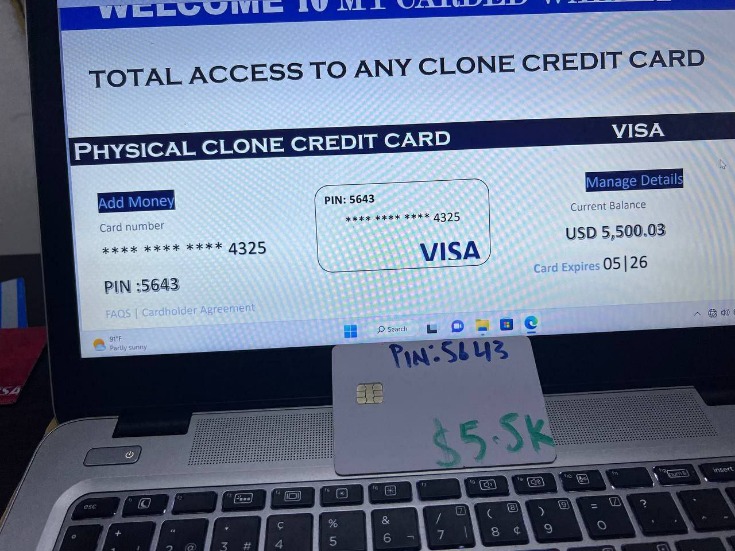
Credit card details used for online fraud are cheaper and can be sent in a text message. Physical cards are usually cloned from details stolen online, but can be used to withdraw from ATMs. Because the merchant requires equipment to clone the card and must send the buyer a physical product complete with PIN number, the price for cloned cards is much higher. Our platform can detect any suspicious mentions about organizations, or stolen payment information to give as much time as possible to prepare for data breaches. Stolen credit cards are also harmful to the businesses from which they were stolen in the first place.
Types Of Credit Card Hacking
The “special event” offer was first spotted Friday by Italian security researchers at D3Lab, who monitors carding sites on the dark web. They offer behavioral, dental, general, and outreach services in nine locations across six counties. This statistic may sound lukewarm now, but e-commerce is rapidly becoming the lion’s share of global transactions. Transformative Healthcare was featured early on; their breach happened in February 2023 and may impact over 900k people, including patients and former FAS employees.
How War Impacts Cyber Insurance
Most scammers obtain credit card numbers and other financial data from various darknet forums. Using PureVPN’s Dark Web Monitoring is an effective way to check if your credit card details are circulating on the dark web. It continuously scans dark web marketplaces and forums for exposed personal data, including credit card information.
Magnetic Stripe Data Dumps
While online shopping poses risks, using secure websites, enabling two-factor authentication, and monitoring accounts can significantly reduce the chances of fraud. Conducting transactions online while connected to an unsecured WiFi network places your financial data at risk of being stolen due to MITM attacks. It’s best to avoid conducting transactions while connected to an unsecured network. Credit card details of more than a million people have been dumped online as part of a promotion by a scandalous online credit card shop. A Russian-language dark web shop known as BidenCash recently attracted attention from cybersecurity researchers by posting a leak — for free — of 2 million stolen payment card numbers.
Category #1: Details Needed For Fraudulent Online Purchases
“Collecting and storing personal information that is not reasonably necessary to your business breaches privacy and creates risk,” she said. Information and Privacy Commissioner Angelene Falk urged all organisations to review their handling of personal information and data breach response plans. For security researchers and professionals, these insights underscore the importance of continuous monitoring and adaptation in the ongoing battle against financial fraud. Okay, let’s examine how the initial verification works, using a real ‘config’ file shared by cybercriminals. Config files are used to specify the parameters and function of a larger automation framework. NordVPN said there is little users can do to protect themselves from this threat apart from not using cards, but added that it is important to be vigilant.
This type of malware silently infect payment terminals and exfiltrate card data in real-time. You can also limit your risk by being picky about your ATMs, where criminals sometimes install card skimming devices. These are hard to detect, but only using ATM machines inside banks or other physical buildings offers some protection, Thomas says. AllWorld Cards has been active since May 2021 and currently holds an inventory of over 2,749,336 credit cards, with an average price per card of $US 6.
When public data breaches occur, cybercriminals will collect as much data as they can and publish it on the dark web for others to view or buy. Public data breaches occur when a company you have an account with or work for experiences a breach that exposes customer and employee Personally Identifiable Information (PII). Depending on the type of user and employee information the company stores, the type of information that can be exposed varies.

A recent report found 4.5 million credit card numbers for sale on the dark web during the first half of 2022. Using a public Wi-Fi network for payments is a major security risk as hackers can easily intercept the transmitted data. Unsecured Wi-Fi networks are prone to man-in-the-middle attacks, where a hacker intercepts the exchange between two parties—often by compromising the router—and gains access to sensitive data.
Phishing Scams
This post will discuss deep and dark web credit card sites, specifically the top illicit credit card shops. As one of the prominent platforms supporting such activities, card shops make carrying out such scams relatively easy and popular. This technology helps in identifying potentially fraudulent use of credit card information by monitoring the Bank Identification Number (BIN).
Additional Information
In this article, we’ll take a deep dive into some real-live techniques and scripts used by threat actors to commit credit card fraud. There are of course many ways to skin this proverbial feline, but it can be illuminating (possibly concerning) to see the actual steps involved. Let’s start right out with a step-by-step overview of the whole process, and then we’ll dive into some of the specific tools and methods that cybercriminals use in more detail. When using credit cards on the dark web, it is vital to use a secure payment method to minimize the risk of fraud.