Finally, Chapter III describes the role of PEA in food processing, starting with its occurrence in fermented food and meat as the result of microbial metabolism (3.1) and its occurrence in chocolate as the result of thermal processing (3.2). The article concludes with the recently described use of PEA as an antimicrobial to be used in the processing of beef meat (3.3). Numerous endogenous compounds—including hormones, monoamine neurotransmitters, and many trace amines (e.g., dopamine, norepinephrine, adrenaline, tyramine, and others)—are substituted phenethylamines. Dopamine is simply phenethylamine with a hydroxyl group attached to the 3 and 4 position of the benzene ring. Several notable recreational drugs, such as MDMA (ecstasy), methamphetamine, and cathinones, are also members of the class. Later, animals were trained to discriminate racemic α-ET from vehicle,113 and greater than one year of training was required to establish the stimulus cue (see comments in Section 10 on training animals to discriminate MDA from vehicle).
Phenylethylamine And Weight Loss: Is There A Connection?
Then, novel cathinone analogs began to appear of the European clandestine market;80 these were termed synthetic cathinones. Other natural sources of PEA include certain types of algae, such as blue-green algae and spirulina. These algae are often consumed in supplement form and can provide a higher concentration of PEA than food sources. Additionally, some herbs, such as passionflower and maca root, have been found to contain PEA and may offer additional health benefits when consumed. It’s worth noting that the effects of PEA can be felt within minutes of ingestion, so it’s important to be patient and not take additional doses too quickly.
Modern herbal combinations frequently incorporate PEA as a synergistic ingredient alongside other adaptogens such as Rhodiola rosea and Panax ginseng. These blends are designed to promote alertness, combat fatigue, and enhance cognitive performance. PEA’s ability to support neurotransmitter balance, particularly dopamine, makes it a valuable component in herbal formulas aimed at improving motivation and focus. If all this talk about PEA has you wondering how to get more of it in your life, you’re in luck! There are both natural food sources and synthetic supplements available.
List Of Substituted Phenethylamines
However, in passing, he also mentioned that PEA is broken down by the same enzyme, and he speculated that maybe it was involved in the good vibes of love, too. Phenethylamine (PEA) is a naturally occurring compound found in various plants and foods, most notably in chocolate and certain medicinal herbs. Historically, PEA has been recognized for its significant role in promoting well-being and enhancing mood. Ancient herbalists and traditional medicine practitioners valued plants containing PEA for their uplifting and energizing properties.
1 Attention Deficit Hyperactivity Disorder

Phenylisopropylamines (i.e., α-methyl analogs of phenylethylamines) are a class of phenylalkylamines that includes amphetamine (8) and methamphetamine (52; Figure 11). By introduction of the β-OH function, phenylpropanolamines now possess two chiral centers and four optical isomers are possible (Figure 11). Depending upon stereochemistry, norephedrine is the β-OH analog of amphetamine whereas ephedrine is the β-OH analog of methamphetamine; the other two optical isomers are referred to using the prefix “pseudo” (Figure 11). The naturally-occurring (-)ephedrine (53), the most potent of the phenylpropanolamines as a central stimulant, is several times less potent than amphetamine or methamphetamine.
- PEA increases libido, social behavior, a feeling of well-being, and improves overall performance.
- However, many TAAR1 ligands including PEA (1), tryptamine, and 4-hydroxyamphetamine, have minimal central activity when administered by typical systemic routes of administration.
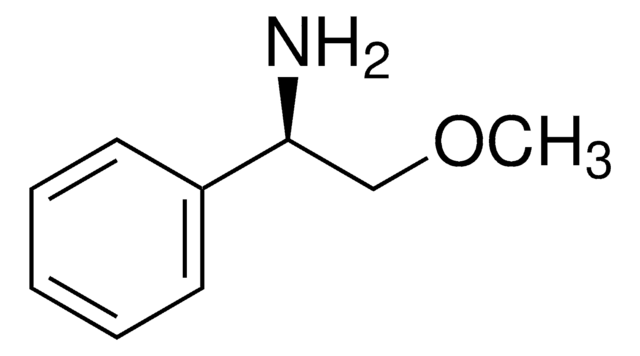
- For this reason, the present review covers only structures where there is an alicyclic amine (Figure 2, blue examples), clustering them all under the 2-phenethylamine label.
- It’s also worth noting that while PEA has been shown to have potential cognitive benefits, it may not be suitable for everyone.
- To truly appreciate the impact of PEA on our brain function, we must first understand its chemical structure and properties.
Combining Phenylethylamine With Other Nootropics Or Supplements
Scientifically, PEA acts as a neuromodulator and neurotransmitter, influencing the release of dopamine and other catecholamines in the brain. Some small clinical studies and animal research have suggested that PEA supplementation may provide benefits for mood enhancement and attention. For example, a handful of studies have explored its potential role in alleviating symptoms of depression, particularly when used in combination with monoamine oxidase B (MAO-B) inhibitors, which slow its breakdown and extend its effects. Additionally, anecdotal evidence and consumer reports consistently highlight its energizing and focus-promoting effects.
Wild-type animals (N2) and knockout animals for DAT-1 (dat-1(ok157)III) and the C. Elegans VMAT homologue CAT-1 (cat-1(ok411) were obtained from the Caenorhabditis Genetic Center (University of Minnesota, Minneapolis, MN). Elegans strains were grown on bacteria lawns of NA22 and maintained at 22-24°C using standard methods (Brenner 1974). For amperometry recordings, we used the BY250 strain (gift from Dr. Blakely, Vanderbilt University) expressing cytosolic GFP under the control of the dat-1. It is often referred to simply as “phenethylamine”, but that can also be interpreted as 1-phenylethylamine1. When choosing a product, it’s important to look for high-quality ingredients, transparent labeling, and a reputable manufacturer.
However, results among various studies are inconclusive (Jansen et al., 2003) and the connection between chocolate and migraines remains a mystery. Most medication that is currently available is about 80% effective for those suffering from depression (Voinov, 2013). Selective serotonin re-uptake inhibitors (SSRI) are the most popular antidepressant prescribed worldwide (Artigas, 2013). SSRI function by blocking the serotonin transporter and thus inhibiting the re-uptake of serotonin (Gutman & Owens, 2006; Peremans et al., 2006). This will result in an increase of the synaptic concentration of serotonin (see Illustration 3).
2 Α-Adrenergic Receptors
There are a number of drug interactions to be aware of if you plan to take phenylethylamine supplements. While eating moderate amounts of phenylethylamine foods is likely safe, taking concentrated doses in supplement form can lead to unwanted interactions and symptoms. Phenylethylamine (PEA, 2-phenylethylamine, beta phenylethylamine / β-phenylethylamine, phenethylamine) is a trace amino acid. Your brain naturally converts L Phenylalanine into Phenylethylamine (PEA).
2 Β-phenylethylamine-induced Increase Of Extracellular Dopamine Does Not Involve Vesicle-dependent Dopamine Release
However, several studies have employed daily doses split into two or three, ranging from 500 to 1500 mg. Given that more significant doses could have adverse consequences, beginning with a modest dose and gradually increasing it is crucial. Be cautious before beginning to take any new supplements, and talk with your health provider if you’re unsure if it’s safe for you. Side effects can potentially include a rapid heart rate, heart palpitations, anxiety/nervousness, shaking, shivering, agitation, muscle stiffness and confusion.
Natural Nootropics
A number of in vitro and behavioral studies suggest the dopamine transporter (DAT) plays a role in the effects generated by βPEA, however the mechanism through which βPEA affects DAT has not yet been elucidated. Here, we used Caenorhabditis (C.) elegans DAT (DAT-1) expressing LLC-pk1 cells and neuronal cultures to investigate whether the βPEA-induced increase of extracellular DA required DAT-1. Our data show that βPEA increases extracellular dopamine both in DAT-1 transfected cells and cultures of differentiated neurons. RTI-55, a cocaine homologue and DAT inhibitor, completely blocked the βPEA-induced effect in transfected cells. However in neuronal cultures, RTI-55 only partly inhibited the increase of extracellular DA generated by βPEA.
Phenylethylamine (PEA)
While some and some users may experience improvements in cognitive function, others may not experience any noticeable effects. Another potential benefit of PEA is its ability to enhance cognitive function. Some users claim that it can improve focus, attention, and memory, and even promote creativity and productivity. Furthermore, while PEA may have potential benefits for weight loss, it’s important to remember that everyone’s body is different.
Common MAO substrates are 5-hydroxy-tryptamine and catecholamines (dopamine, norepinephrine and epinephrine). MAO A and MAO B are the two enzyme isoforms, sharing a 70% sequence identity and differentiating each other in the substrate scope 213. Theoretical approaches to rationalize isoform selection by substrates have been described 214,215. As these two oxidases are responsible for neurotransmitter inactivation by oxidation, their dysfunction drives several neurological disorders, hence the therapeutic attractiveness (Figure 19, Table 7). The dopamine transporter receptor modulates the availability of released dopamine in the synaptic space by relocating it back into the presynaptic cell. It serves as a main target for recreational drugs as well as psychostimulant and antidepressant drugs.
This includes the Korean natto (Kim et al., 2012) and commercial eggs (Figueiredo et al., 2013). Another food that contains PEA is chocolate, where it is not produced by bacteria, but during the thermal processing of cocoa (Granvogl et al., 2006). As one example of PEA in plants, PEA can be found in members of the family Leguminosae, which is the second-largest family of seed plants and is comprised of trees, shrubs, vines, herbs (such as clover), and vegetables (such as beans and peas).
Moreover, some scientists hypothesize that chocolate cravings may, in fact, be an attempt by the body to “self-medicate,” increasing phenethylamine levels and improving mood 51, 52. Clinical evidence is lacking to rate the effects on phenethylamine on weight loss. The altered levels of phenethylamine may play a role in schizophrenia by increasing or decreasing dopamine levels. An increase in dopamine levels is often seen in patients with schizophrenia 21. There is insufficient evidence to support the use of phenethylamine for any of the below-listed uses.