The dark web — aka, the deep web — is the second layer of the internet, which is not indexed by search engines. Websites and pages in the deep web might include password-protected content, private forums, and personalized resources. There’s the normal web most people use every day, which is easily accessible and indexed by search engines.

Exodus Market
Discover the top thirteen dark web forums where cybercriminals gather and cybersecurity researchers spot emerging threats. The Tor browser can conceal your true location by shunting your traffic through various relays. But it can’t stop you from entering personal information on websites to say where you are. Your connection also may be encrypted but if you do something like send an email from your personal account, then anyone with access to your inbox will know that you were online at that time. There are also privacy and anonymous browsers, which are designed to keep you safe on the regular ‘open’ web. For example, the Epic browser is programmed to always run in private mode, so it doesn’t store data about which sites you visit.

Myth 4: The Dark Web Is Inherently Dangerous To Visit
These sites are built for privacy and anonymity, and Google’s web crawlers (also known as “spiders” or “bots”), which look for websites to index, can’t access or “crawl” these hidden sites. Not all mass thefts of data facilitated by the dark web have been motivated by money. The publicizing of Snowden’s actions led to a global spike of interest in Tor and a resulting rapid expansion of the network’s user base. The rise of cryptocurrency, and in particular Bitcoin, significantly increased the dark web’s use in illegal trade. Users could exchange funds online without sharing credit card numbers or other identifying information. In February 2011 Ross Ulbricht founded what is believed to be the dark web’s first black market, Silk Road.
- Moreover, ransomware-as-a-service (RaaS) has emerged as a significant threat, with criminal groups like REvil and GandCrab offering sophisticated malware through the dark web.
- The Tor network began as an anonymous communications channel, and it still serves a valuable purpose in helping people communicate in environments that are hostile to free speech.
- Proxies into the Tor network like Tor2web allow access to onion services from non-Tor browsers and for search engines that are not Tor-aware.
- It’s a hotbed of crime — both physical and digital — and anyone who dares enter it would be exposing themselves to those dangers.
Meanwhile, Facebook also offers dark web access to their social network. There are multiple search engines on the dark web that can help you find what you’re looking for. DuckDuckGo’s no-track dark web search service can be accessed in the Tor browser and is an excellent resource for information about the dark web. Other dark web search engines include Not Evil, Torch, Haystack, and Ahmia.
Hackers Steal 300,000 Files From Mexican Supplier Of Apple And Google
- Almost all dark web forum activities are illegal, and hence, the last thing users want is to reveal their real identities.
- While privacy tools help protect anonymity, law enforcement continues to evolve its methods to combat illegal activity.
- She yearns to know everything about the latest technology developments.
- The forum features a selective membership process, which has earned it a reputation as the best place for seasoned hackers where they can easily exchange knowledge.
The majority of the web is called the “deep web” (often referred to as the “invisible” or “hidden” web). The deep web is basically all the content that you can’t find using Google or Yahoo search. Typically, any reference to the visible web will be to common websites with a familiar internet domain extension. Google considers the majority of the content on the entire web highly irrelevant and useless to its users. That’s why such a large percentage (as much as 94%) of the entire web is not returned in Google Search. To stay safe on the dark web, use a reliable VPN, avoid clicking on unfamiliar links, confirm URLs, and never provide personal information.
Marketplaces
Some of the tales are enough to make you tape over your webcam and disable your router just in case. Think of it as the dodgy bit of town where sensible people don’t go after dark. Even if such sites were blocked from the regular open web, anyone using the Tor Browser could still access their email using the .onion addresses. Not only is browsing via tor more secure, it also is more private as it effectively shuts out online trackers. The Tor browser is based on Firefox and makes use of extensions like ‘NoScript’ to prevent harmful code from loading and there’s a built-in ad blocker (see below). This could include sites not automatically available to the public, such as those which require a password.
What Is The Dark Web? How To Access It And What You’ll Find

Russian Market has consistently remained one of the most popular and valuable data stores on the dark web. Its affordability and reliability have earned it a loyal customer base. The platform’s activity has increased significantly over the past year, indicating its growing influence and market share in the underground economy. Due to its extensive inventory and reputation for reliability, Brian’s Club has maintained a significant presence on the dark web. Quality and validity of the data it provides justify its higher cost over other marketplaces. The platform’s popularity continues to grow, attracting both new and returning customers.

What Is The Dark Web? Here’s Everything To Know Before You Access It
Unlike Tor’s entry and exit nodes, bridge IP addresses are not publicly listed, making it difficult for web services, or governments, to blacklist those IP addresses. Based on our observations from analysis on dark web data using Lunar, we’ve identified the top 7 marketplaces on the dark web in 2025. We developed Lunar to monitor the deep and dark web, including dark web marketplace sites. Omega Cloud is focused on distributing credentials and other data harvested through info-stealer malware. It shares both free samples and premium packages containing stolen login details from platforms such as Google, YouTube, and advertising networks. The group claims to provide thousands of new logs daily, making it a consistent source of fresh compromised data.
From information security threats like identity theft and malware to scams and surveillance, navigating the dark web without caution can lead to real dangers. So, is the dark web a lawless underworld or a misunderstood frontier for privacy and free expression? See how cybercriminals profit from your personal information on the Dark Web. Learn how to protect your data from financial fraud and identity theft. Though not entirely shoddy, the dark web has a reputation for hosting illegal activities. It does support whistleblowers by offering them anonymity and secure communication in an oppressive regime.
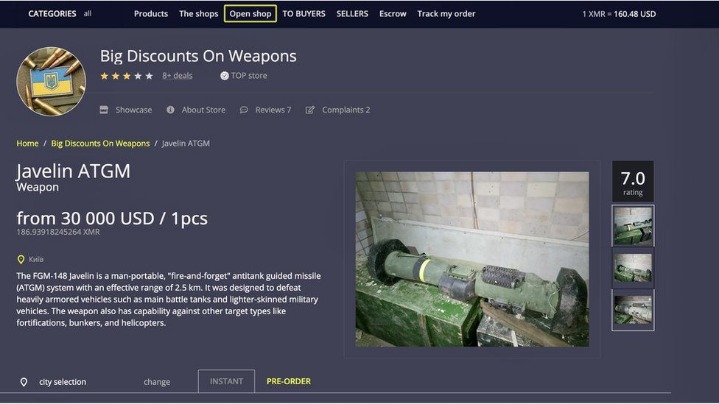
These websites will also use .onion top-level domain names, and many of them will be very long, random combinations of letters and numbers. You won’t be able to access .onion addresses using a standard search engine as they aren’t indexed by crawlers. As search engine crawlers do not catalog these pages, you would need to know the exact link to access a website in this area of the internet. This could include government services to access your records, health care services, members-only areas, intranets, or corporate resources. While Tor offers anonymity by routing your traffic through a decentralized network of nodes (onion routing), it shouldn’t be your only line of defense for privacy.
It requires specialized software to access and is intentionally kept anonymous and out of reach of mainstream search engines. The dark web is a hidden part of the internet not indexed by regular search engines, accessed through specialized browsers like Tor. It hosts both legal and illegal activities, offering anonymity but also posing risks like scams and illicit content. Although it is true that the dark web can be a hotspot for illegal activities due to its anonymity, it’s not just for those with nefarious intentions.
However, finding information can be challenging as the dark web doesn’t use a centralized index to locate content. Instead, users rely on dark web search engines like DuckDuckGo or directories, such as the Hidden Wiki and its offshoots, to find .onion websites. But privacy is fragile – using a VPN alongside Tor and maintaining strict security habits is crucial. Law enforcement agencies in many countries monitor the dark web to combat illegal activities. Cracking down on many illegal marketplaces on the dark web is the result of such monitoring.