You can also limit your risk by being picky about your ATMs, where criminals sometimes install card skimming devices. These are hard to detect, but only using ATM machines inside banks or other physical buildings offers some protection, Thomas says. Unlike a credit card, a debit card is connected directly to your checking account, allowing fraudsters to immediately drain your account.
How Many Cards Are Still Active?

In addition to these types of listings, there are other free tools usually available on credit card sites. These tools include for example different types of checkers, which assist threat actors in verifying whether the stolen card information they possess is valid and can be used to make unauthorized purchases. An estimated 1 million U.S. and global credit cards were released by a Russian criminal organization on the so-called dark web, according to analysts at cybersecurity firm Q6.
How To Keep Consumers Safe From Carding
While consumers are typically protected from direct financial losses, dealing with credit card fraud is incredibly disruptive. Some threat actors even run automated validation services that check card numbers before the sale, guaranteeing their buyers a certain percentage of “live” cards. Credit cards, Paypal accounts, and fullz are the most popular types of stolen information traded on the dark web, but they’re far from the only data worth stealing. Sales of passports, driver’s licenses, frequent flyer miles, streaming accounts, dating profiles, social media accounts, bank accounts, and debit cards are also common, but not nearly as popular. Dark web credit card fraud has been a problem for a long time, and it shows little sign of slowing down.
Never Conduct Online Transactions On Public WiFi Networks
Spyware and malware attacks are another common tactic used by scammers to steal data, and they are typically a result of phishing schemes. Credit card theft has become one of the most common types of fraud, with the U.S. projected to lose a staggering $165 billion in the coming 10 years due to card abuse. Additionally, it’s crucial to stay informed about the dark web’s evolving tactics and trends to mitigate risks effectively. To avoid entering your personal information into a spoofed website, it’s important to learn how to spot a site that’s been spoofed. Next, we will explore the significance of evaluating seller feedback and ratings on the Dark Web and how it can assist in making better purchasing decisions. Given the platform’s history of providing genuine data in previous releases, it seems improbable that the shop would risk tarnishing its reputation with a fake pack.
By using specialized tools cybersecurity professionals can track these illegal activities and alert financial institutions of potential threats. Dark web transactions play a key role in fund transfers for credit card fraud. Cybercriminals use cryptocurrency to buy and sell stolen card data anonymously. When companies suffer data breaches, large amounts of sensitive information, including credit card details, are dumped onto the dark web. Cybercriminals then sift through these dumps to find valuable data to sell.
The Ripple Effect: How Dark Web Activity Influences Mainstream Financial Practices
In other words, these forums serve as advertising platforms for illicit services. Occasionally, data dumps containing credit card details or other sensitive information are also shared directly within the forums. Carding shops are a type of dark web marketplace that hosts the trade of credit cards and other stolen financial information. These platforms serve as hubs for cybercriminals to buy and sell compromised payment card details.
Detecting Credit Card Fraud: What To Look For
- Renowned for its extensive inventory of financial data and sophisticated operating methods, Brian’s Club is a key player in the underground economy of financial cybercrime.
- These credit card numbers can be used to make fraudulent purchases or to steal someone’s identity.
- The credit card details of millions of people are being sold to criminals on the dark web for an average of less than £8 ($10.60) each.
- One such protection is the use of anti-fraud tools, such as F‑Secure Total, our complete online security solution.
Rather than relying on yourself to create your own strong passwords, consider using a password manager. Password managers aid in creating, managing and storing your passwords so you won’t forget them. Some password managers like Keeper® even come with the ability to store Two-Factor Authentication (2FA) codes so you can add an additional layer of security to your accounts seamlessly. When a card is skimmed, the threat actor obtains all its information including the cardholder name, number, expiration date and Card Verification Code (CVC).
Largest Darknet Stolen Credit Card Site Closes
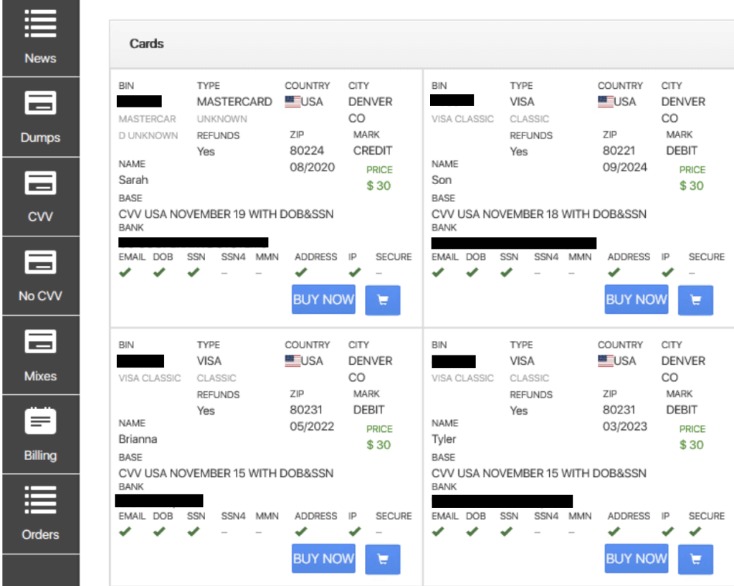
Payment information moves through a series of specialized dark web markets. One compromised payment processor or e-commerce platform can yield thousands of card numbers at once. Sellers often provide buyers with validity rates for their data and even offer replacements for cards that don’t work. Rather than individual hackers working alone, the reality is that we’re dealing with sophisticated criminal enterprises that function like businesses, complete with customer service and quality guarantees. While SSN, name, and DOB are all fairly standard in fullz, other information can be included or excluded and thereby change the price. Fullz that come with a driver’s license number, bank account statement, or utility bill will be worth more than those without, for example.
NFC (Near Field Communication) fraud is a growing concern due to the increasing adoption of NFC technology in mobile payments, identity verification, and other contactless applications. The rise of contactless payments, especially during the COVID-19 pandemic, has significantly increased the volume of NFC transactions. This growth has created more opportunities for fraudsters to exploit the technology. As the market for contactless payments continues to expand, so does the potential for NFC-related fraud.
- These measures include implementing robust security practices, such as encryption and multi-factor authentication, to protect credit card data and reduce the likelihood of it ending up on the dark web.
- There is some uncertainty about how many of the cards are actually still active and available for cybercriminals to use.
- NFC is also used for identity verification, making it a target for identity theft.
- It is essential to exercise caution, protect personal information, and prioritize online security at all times.
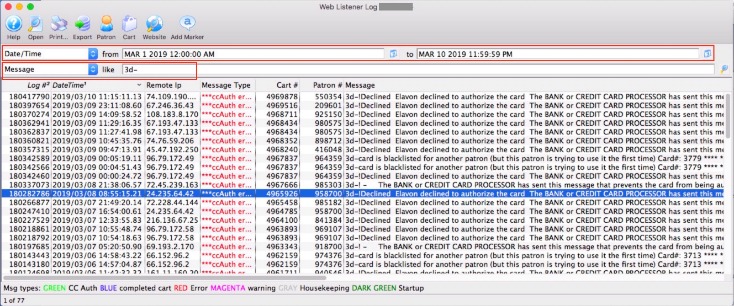
This often includes a “checker service,” a compromised merchant account they use to run dinky charges through to see if the card is still valid, Krebs says. If someone agrees to use the shop’s checker service instead of a third party, the shop will give a guarantee that at least a portion of the cards are usable for a certain period of time. Many tracker apps link directly to bank accounts for up-to-the-minute info.
A dark web carding market named ‘BidenCash’ has released a massive dump of 1,221,551 credit cards to promote their marketplace, allowing anyone to download them for free to conduct financial fraud. Millions of debit and credit cards have been leaked on the dark web amid an explosion in the number of devices infected by data-stealing malware, according to cybersecurity and anti-virus firm Kaspersky. The most common ones target e-commerce websites through phishing attempts and data breaches for this purpose. Other ways include installing skimmers at ATMs and other sources of card swiping.
Brief Bio: Real And Rare
However, it is the darker side of the Dark Web that captures the imagination of many. Criminal marketplaces, like Silk Road and AlphaBay, have made headlines for facilitating the sale of drugs, hacking tools, counterfeit money, and stolen credit card data. The Dark Web provides a platform where fraudsters can monetize stolen credit card information, posing a significant threat to individuals and financial institutions alike.
The Impact Of Dark Web Credit Card Fraud
But that’s not all; there are also cardholder details such as their full name, address, date of birth and telephone number as well as email address. Pretty much everything you would need to commit credit card fraud or launch phishing attacks against the cardholder. Dark web credit card numbers are stolen card details sold on hidden websites. Some vendors offer a “complete package” known as “Fullz”, which includes full personal details as well as financial details like bank account information or social security numbers. Some threat actors offer a “complete package” known as “Fullz”, which includes full personal details and financial information like bank account details or social security numbers. Deep and dark web credit card sites include forums and marketplaces that host the trade and share of illicit content relating to credit cards.