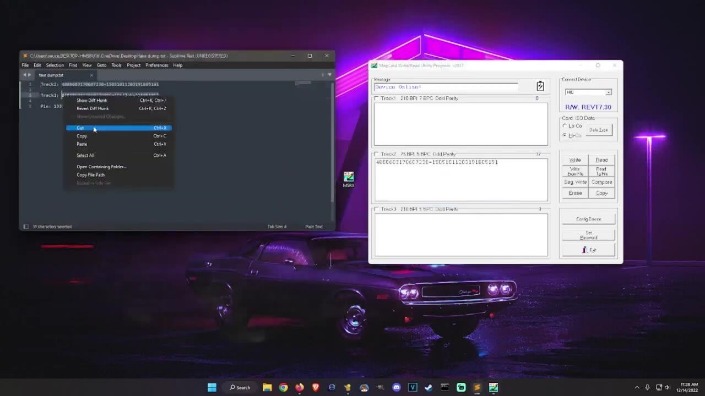
These criminals released the details of 740,858 credit cards, 811,676 debit cards, and 293 charge cards. The data dump disaster includes some complete names, expiration dates, CCV and unique email addresses. Dark web credit card numbers are stolen card details sold on hidden websites. These stats highlight the scale of credit card fraud on dark web markets. “We often see threads from users looking for new sources or reliable vendors.” Sometimes the forums themselves are hacked, with attackers leaking stolen data, further degrading its value. UniCC has been active since 2013 with tens of thousands of new stolen credit cards listed for sale on the market each day.
Securing Virtualized Environments – Hypervisor Security Best Practices
Before you start exploring tor carding links directory below, if you don’t have already install Tor Browser for security reasons. Since then, BidenCash has continued to operate using the “dumping” method. This involves adding daily listings of stolen credit card details to the site and periodically dumping large amounts of stolen credit card details at the same time. Deep and dark web credit card sites include forums and marketplaces that host the trade and share of illicit content relating to credit cards. According to a blog by SOCRadar, the release of such comprehensive data poses significant risks, including financial fraud and identity theft. This data enables cybercriminals to commit fraud, resell stolen credentials, and facilitate identity theft.
Preventing Credit Card Dumps: Best Practices For Consumers
Card scammers are increasingly trying to get in on that action, researchers say. Digital Shadows says messaging platforms like Telegram and Discord are where some of the actual trading now occurs. Some of the remaining dark web forums are used “solely for marketing purposes or to swap information about the best platforms on which to buy carding-related data,” according to researchers. When in public, keep your credit cards close at hand and be aware of your surroundings. You can also use virtual credit card numbers for online shopping, which can’t be used again for subsequent purchases. This hack was a massive breach of customer trust, and it’s a stark example of the devastating consequences of a data breach.
“Fullz” Is The Word Cybercriminals Call A Complete Info Grab
Hacking involves the criminal gaining unauthorized access to a company’s computer systems that store credit card data. In large-scale attacks, hackers can steal millions of records at once by exploiting vulnerabilities in payment processing networks or third-party service providers. The largest known credit card dump to date occurred in 2017 when Equifax reported the theft of over 143 million records. Organized criminal groups have recognized the potential profitability of credit card dumps and have turned it into a lucrative business model.
With just a few taps, people can see exactly where their money goes and catch problems early. Some of the carding activity has continued to expand beyond the dark web. All websites hosting pornography will have to check the age of their users from Friday. This new trend for marketplaces winding down in an orderly fashion is known as “sunsetting” or “voluntary retirement”.
Taking Back Control: Protecting Your Business

Analysis of the leaked data, likely sourced from phishing campaigns, suggests a high probability of the validity of these stolen cards based on the available information. A significant portion of this data was uniquely identified in our intel collection. In line with b1ack’s freebie marketing strategy, they announced the release of 1 million stolen payment cards for free on several popular carding forums on the last day of April this year. This massive giveaway served as the grand launch celebration for their “carding shop”.
David Hollingworth has been writing about technology for over 20 years, and has worked for a range of print and online titles in his career. He is enjoying getting to grips with cyber security, especially when it lets him talk about Lego. If you have the need to own 500 million compromised Facebook accounts, that will set you back US$19.99, which honestly may well be over-egging the deal. You can also buy followers, with 50,000 Instagram followers costing would-be influencers US$250. The operators of BidenCash have caused significant harm to millions of victims whose personal and financial information has been compromised.
Top Dark Web Marketplaces Of 2025: A Deeper Dive Into Illicit Trade Markets
However, with the rise of online transactions, the risk of credit card fraud has also increased. One form of credit card fraud that has gained notoriety is credit card dumps. As B1ack’s Stash prepares to release its trove of stolen credit cards, law enforcement agencies and cybersecurity firms are working around the clock to trace the origins of these breaches and prevent further exploitation. Once Alex has collected a significant amount of stolen credit card information, he compiles it into what is called a “credit card dump”. These dumps are essentially digital packages containing the ill-gotten credit card details, organized and ready for sale.
Leveraging Outseer FraudAction Compromised Credit Card Feeds
They show recent purchases, account balances, and spending trends all in one place. EMV stands for “Europay, Mastercard, and Visa,” the companies that initiated the chip standard. Sometimes hackers will commit “card-present fraud” by breaching the point of the sale at a physical store. Or they’ll commit “card-not-present fraud,” by hacking a website and stealing the online card information that gets entered into the checkout page.
- A code received via a text message or authentication via a mobile app are two popular methods of 2FA.
- The Equifax hack in 2017 exposed personal data of more than 147 million customers, including credit card details.
- As of 2020, nearly 57% of the dark web was estimated to contain illegal content, including violence and extremist platforms.
- The Target data breach in 2013, where cybercriminals stole 40 million credit and debit records along with 70 million customer records during the holiday season, stands as one of the largest security breaches in history.
- Each card can sell for between $20 to $100, according to Business Week and the New York Times.
- This move is likely to increase the platform’s popularity and draw in new customers.
Collecting Threat Intelligence
Blackpass biz has earned infamy as one of the largest providers of stolen credit card data on the dark web. The site has been accused of selling millions of stolen credentials to hackers and cybercriminals worldwide. The prices for these dumps vary based on factors such as the country of origin, type of account (debit or credit), balance amount, and age. It is crucial to emphasize that purchasing and using these dumps is both illegal and unethical. As unsuspecting customers pull up to refuel their vehicles, they insert their credit cards into the compromised card reader. Unbeknownst to them, the skimmer is quietly at work, copying the credit card details of each transaction.
The breached data included names, addresses, phone numbers, Social Security numbers, credit scores, credit limits, and other details related to credit card applications. This data dump represented one of the largest breaches in history, with only the Equifax data breach (discussed below) eclipsing it in terms of scale. Companies that suffer from data breaches caused by credit card dumps face various costs, including remediation expenses, notification fees, legal liabilities, and reputational damage.
Dark Web Marketplaces
Awareness, combined with protective measures, can help individuals navigate the risks posed by these hidden corners of the internet. The dark web websites for credit cards present significant risks and challenges for users in the digital landscape. By understanding what these sites are, their functions, and how to protect oneself, individuals can navigate the complexities of the dark web with greater awareness. Monitoring the activity on these platforms is crucial for fraud detection, brand protection, and financial intelligence.
Impact And Risks
One of the largest known underground shops, Joker’s Stash, generated more than $1 billion before getting shut down in February, according to Gemini Advisory. A 2019 data leak of another shop, BriansClub — which appears to have been by a competitor, according to Threatpost —shows how pervasive this trend has become. Angie Ernser is a seasoned writer with a deep interest in financial markets.