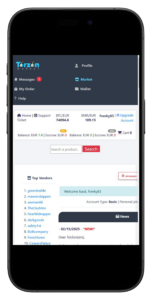
In our study, we found that 23.78% (9896/41,614) listings and traces were identified with the help of 58 opioid jargons (Table 2). Among them, suboxone and subutex medicines are most frequently mentioned by 2917 times in listings and traces in 10 platforms, followed by roxy series (ie, roxy, roxi, roxies, and roxys) with 2022 times and Lean with 1256 times. Both K9 and M30 were mostly found in Darkbay, within 384 listings in the year 2020, whereas Lean appeared 141 times in Empire listings.
So, even if your doctor prescribes higher strength tablets and tells you to cut them in half, this may not result in any savings. Your cost may also depend on whether you take a generic or brand-name version of oxycodone. Some forms of oxycodone are available only as brand-name drugs. Opioids release large amounts of dopamine and block the transmission of pain signals from the nerves that branch off your spinal cord and extend to all body parts.
The dose of this medicine will be different for different patients. The following information includes only the average doses of this medicine. If your dose is different, do not change it unless your doctor tells you to do so. Certain side effects of these drugs, such as changes in mood and behavior, breathing problems, constipation, and lightheadedness can be particularly bothersome while you are pregnant. Also, results from one study have shown a link between certain birth defects and the use of opioids by pregnant women.

There have been post-marketing reports of difficulty in swallowing OXYCONTIN tablets. These reports included choking, gagging, regurgitation and tablets stuck in the throat. Instruct patients not to pre-soak, lick, or otherwise wet OXYCONTIN tablets prior to placing in the mouth, and to take one tablet at a time with enough water to ensure complete swallowing immediately after placing in the mouth. Monitor such patients for signs of sedation and respiratory depression, particularly when initiating therapy with OXYCONTIN. Infants born to mothers physically dependent on opioids will also be physically dependent and may exhibit respiratory difficulties and withdrawal signs see Use In Specific Populations.
Treatment & Diagnosis

This may help prevent worsening of your condition and reduce the possibility of withdrawal symptoms, such as stomach cramps, anxiety, fever, nausea, restlessness, runny nose, sweating, tremors, or trouble sleeping. To prevent this, your doctor may direct you to take laxatives, drink a lot of fluids, or increase the amount of fiber in your diet. Be sure to follow the directions carefully, because continuing constipation can lead to more serious problems.
Medications To Treat Opioid Use Disorder During Pregnancy
Immediate-release oxycodone is used to treat moderate to severe pain, such as from surgery or an injury. OxyContin is usually reserved for longer-lasting pain from the late stages of a long-term disease, usually cancer. Doctors may sometimes add immediate-release oxycodone to treatment with OxyContin during brief moments when the pain becomes severe. There are many different types of pain that affect people in different ways.
Tablet, Immediate Release: Schedule II
It is safer to underestimate a patient’s 24-hour oral oxycodone requirements and provide rescue medication (e.g., immediate-release opioid) than to overestimate the 24-hour oral oxycodone dosage and manage an adverse reaction due to an overdose. While useful tables of opioid equivalents are readily available, there is substantial inter-patient variability in the relative potency of different opioids. Discuss the availability of naloxone for the emergency treatment of opioid overdose with the patient and caregiver and assess the potential need for access to naloxone, both when initiating and renewing treatment with OXYCONTIN see WARNINGS AND PRECAUTIONS. Oxycontin (oxycodone hydrochloride) is available as controlled-release tablets in strengths of 10, 15, 20, 30, 40, 60, 80, and 160 mg tablets (60 mg and above used only for opioid tolerant patients). OxyContin (oxycodone hydrochloride) is an opioid drug used for the management of moderate to severe pain, usually for an extended time period. Using this medicine with any of the following medicines may cause an increased risk of certain side effects, but using both drugs may be the best treatment for you.

Dosage Modifications

In severe cases, some people caught up in the grip of opioid addiction can resort to serious self-harm in order to receive another prescription. Prescribed to help manage moderate to severe pain, oxycodone is an opioid analgesic drug. It acts on the central nervous system (CNS) of the brain, essentially suppressing pain signaling and stimulating the body’s own pain managing system. Drinking alcohol, taking prescription or nonprescription medications that contain alcohol, or using street drugs during your treatment with oxycodone increases the risk that you will experience serious, life-threatening side effects.
- This might be because the suppliers tend to promote their products across various marketplaces and to increase sales.
- OxyContin is a powerful, highly addictive substance that can be abused to the point of overdose.
- If you are taking the extended-release tablets (Oxycontin®), swallow the tablets one at a time with plenty of water.
- Specifically, we collected approximately 248,359 unique listings and 1,138,961 unique forum traces (ie, threads of posts) from 10 anonymous online marketplaces and 6 forums.
- There are many different types of pain that affect people in different ways.
- Your risk may be higher if you also take certain other medicines that affect serotonin levels in your body.
What Are The Side Effects Of Oxycodone?
Though highly effective in reducing discomfort, this drug produces a range of side-effects, has very high abuse potential, and overdoses can be deadly. Illicit use of opioids like oxycodone has contributed to a drastic increase in opioid-related deaths and health problems, which is a public health crisis in the U.S. Opioids are a class of natural, semi-synthetic, and synthetic drugs that include both prescription medications and illegal drugs like heroin. Prescription medications such as oxycodone (OxyContin®), hydrocodone (Vicodin®), morphine, codeine, fentanyl, and others are mainly used for the treatment of pain.
Purdue Pharma Issues Statement On OxyContin Report; LA Times Responds

If you notice any other effects, check with your healthcare professional. Check with your doctor right away if you have anxiety, restlessness, a fast heartbeat, fever, sweating, muscle spasms, twitching, nausea, vomiting, diarrhea, or see or hear things that are not there. These may be symptoms of a serious condition called serotonin syndrome. Your risk may be higher if you also take certain other medicines that affect serotonin levels in your body.
We Care About Your Privacy
Reassess the patient frequently to manage pain and withdrawal symptoms, should they emerge. Common withdrawal symptoms include restlessness, lacrimation, rhinorrhea, yawning, perspiration, chills, myalgia, and mydriasis. Other signs and symptoms also may develop, including irritability, anxiety, backache, joint pain, weakness, abdominal cramps, insomnia, nausea, anorexia, vomiting, diarrhea, or increased blood pressure, respiratory rate, or heart rate. If withdrawal symptoms arise, it may be necessary to pause the taper for a period of time or raise the dose of the opioid analgesic to the previous dose, and then proceed with a slower taper. In addition, evaluate patients for any changes in mood, emergence of suicidal thoughts, or use of other substances.
OXYCONTIN may cause severe hypotension, including orthostatic hypotension and syncope in ambulatory patients. Regularly evaluate these patients for signs of hypotension after initiating or titrating the dosage of OXYCONTIN. In patients with circulatory shock, OXYCONTIN may cause vasodilation that can further reduce cardiac output and blood pressure. Serious, life-threatening, or fatal respiratory depression has been reported with the use of opioids, even when used as recommended. Respiratory depression, if not immediately recognized and treated, may lead to respiratory arrest and death.

Your health care provider will let you know if you should take oxycodone while breastfeeding. If you breastfeed while taking oxycodone, tell your health care provider right away if your baby is more sleepy than usual, and get emergency help if your baby is having trouble breathing or is limp. Do not take oxycodone unless it has been prescribed to you by a health care provider.
It is important to ensure ongoing care of the patient and to agree on an appropriate tapering schedule and follow-up plan so that patient and provider goals and expectations are clear and realistic. When opioid analgesics are being discontinued due to a suspected substance use disorder, evaluate and treat the patient, or refer for evaluation and treatment of the substance use disorder. Treatment should include evidence-based approaches, such as medication assisted treatment of opioid use disorder. Complex patients with comorbid pain and substance use disorders may benefit from referral to a specialist.